Competitive Intelligence Integrations
CI Integrations: Pushing Competitor Pricing, Feature Changes, and Battlecards into Slack, CRM, and Sales Workflows
- Jump to section:
- Why CI Integrations Matter: Get Competitor Signals to the Right Team, Instantly
- Key Benefits: Streamlined Operations & Growth Trend Recognition
- Best Practices: Implementing Smart Integration Solutions
- Integration Trends: AI, Cloud, and Automated Market Analysis
- Real-World Wins: How Advanced Integrations Drive Strategic Impact
Get Competitive Intelligence to the Teams That Actually Need It
Most competitive intelligence programs fail at the last mile: signals get collected but never reach the AE on a live deal or the PM scoping next quarter's roadmap. Modern CI integrations close that gap — pushing competitor pricing alerts, feature launches, hiring signals, and AI-generated battlecards directly into Slack, CRM, and the sales workflows where decisions actually happen. This guide explores how to wire CI into your stack so competitor moves trigger action in minutes, not weeks.
Why CI Integrations Matter: Get Competitor Signals to the Right Team, Instantly
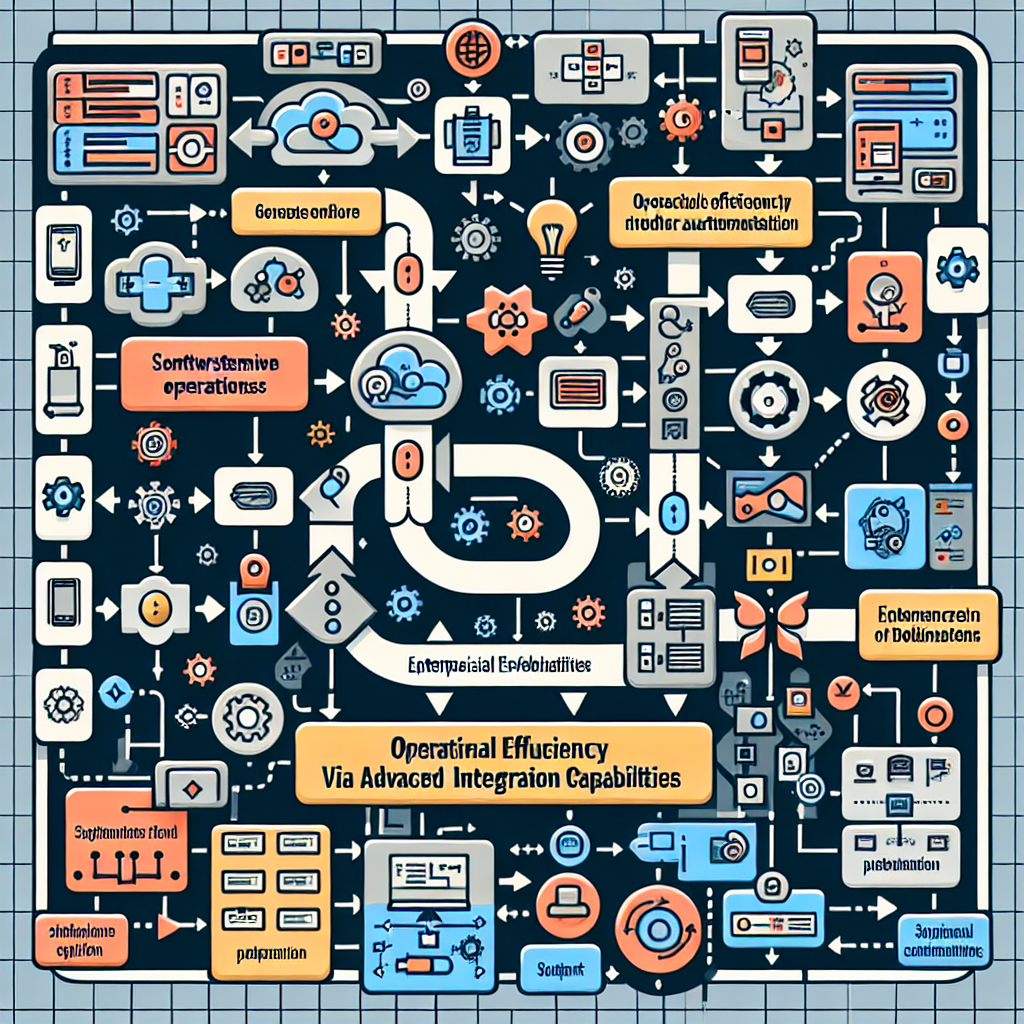
Effective CI integrations transform disconnected tools into an ecosystem of actionable competitor intelligence. By automatically linking competitor monitoring, pricing-page diffs, and battlecard updates into CRM, Slack, and sales-enablement workflows, you can react to competitor moves in minutes — not at the next quarterly review.
From routing a competitor's pricing change directly into the deals it threatens, to syncing competitor-positioning shifts into your messaging guidelines, advanced CI integrations deliver a real-time, 360-degree view of the competitive landscape — turning intelligence into deal-level advantage.
Key Benefits: Streamlined Operations & Growth Trend Recognition
Automation via integration reduces manual overhead, eliminates data silos, and accelerates everything from user feedback processing to competitor comparisons. This efficiency frees up your team to focus on high-impact tasks like strategic product planning and deep market research.
Real-time data sync means you spot growth trends and friction points as they emerge—fueling agile responses, smarter campaigns, and data-backed decisions that drive higher conversions and customer satisfaction.
Best Practices: Implementing Smart Integration Solutions
Start by defining the critical points where market intelligence, user feedback, and competitive data will drive the most value—then prioritize integrations that amplify those workflows. Choose integration platforms that scale, adapt to changing business needs, and enable secure data flow across departments.
Continuously monitor integrations and optimize for workflow changes, emerging opportunities, and evolving market research goals to maintain a strategic edge.
- Map out key data connections for user feedback UI design, competitor analysis, and conversion optimization.
- Invest in scalable, secure integration platforms ready for tomorrow’s growth.
- Regularly audit and refine integrations to keep pace with strategic priorities and compliance.
Integration Trends: AI, Cloud, and Automated Market Analysis
The latest integration technologies are enabling companies to combine market trend analysis, competitor benchmarking, and user session insights in real time. AI-powered connectors automate repetitive tasks, while cloud-based platforms (iPaaS) deliver flexible integration and cost savings across all business units.
Machine learning engines further refine workflows, spotting patterns in customer feedback, social trend analysis, and growth signals—pushing proactive intelligence straight to the teams that need it most.
- Integrate APIs with market intelligence for ongoing competitor updates.
- Adopt cloud platforms to share insights instantly, both internally and with stakeholders.
- Utilize AI integrations to automate feedback analysis and trend recognition at scale.
Real-World Wins: How Advanced Integrations Drive Strategic Impact
Leading organizations have achieved measurable gains by weaving advanced integrations into their market strategy. For example, integrating customer feedback and competitor analysis tools slashed response times, accelerated conversion optimization, and lifted satisfaction scores.
Retailers leveraging iPaaS to connect eCommerce, inventory, and market research systems deliver faster fulfillment, anticipate demand shifts, and outperform competitors by acting on emerging market trends in real time.
- Highlight obstacles overcome and new opportunities created by integration.
- Quantify outcomes—improved conversion rates, reduced churn, and growth trend recognition.
- Capture actionable integration lessons for continual process optimization and strategic product planning.
Instantly compare features and user sentiment across your market. Get a competitor snapshot with real feedback and web proof—free.